Sable Island Lesson Plans

The Friends of Sable Island Society developed these engaging lesson plans for students from Primary through Grade Twelve. Follow Trixie Bouteillier, a real inhabitant of Sable Island, as she grows up and learns vital lessons from her natural surroundings.

Sarah Beatrice (Trixie) Bouteillier

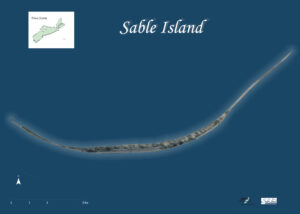
Sarah Beatrice Bouteillier, known to friends and family as Trixie, arrived on Sable Island in 1885 at the age of 5, full of curiosity and wonder. Trixie, along with her mother and siblings, sailed to the island where her father had recently been appointed Superintendent. This new world presented many changes for Trixie, with fewer people and more abundant nature and wildlife. In the late 19th century, Sable Island, a sandy crescent in the North Atlantic Ocean, had about 45 residents. Trixie and her family lived at the Main Station, with four other rescue stations scattered around the island. The most crucial task on the island was lifesaving, rescuing people shipwrecked due to storms or navigating off course into a shoal in the fog.
Like all primary students left at the door of a classroom with twenty-five or so other youngsters, the experience is scary. So much is unknown. Magnify that a hundred times on a remote island away from everything familiar. All Trixie knew for sure when she rode the surfboat to the sand beach a kilometre away was, she was going to her daddy. All would be right with the world.

Listen to Trixie describe her arrival on Sable Island by playing the recording below.

These lesson plans were created in alignment with the Nova Scotia P-12 curriculum and its outcomes, but they can be adapted to fit the curriculum of most jurisdictions.

Select a Grade to see the lesson plans you are looking for.

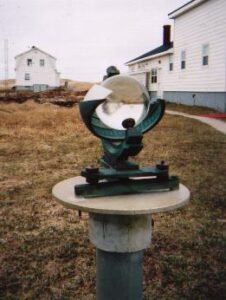
This lesson plan is intended for the use of Grade 5 educators teaching science in Nova Scotia. Sable Island was the home to a weather station (one of the first on the east coast of Canada), making it a great...
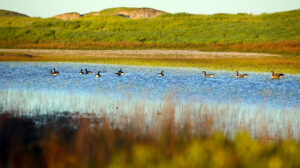
This lesson is intended for the use of Grade 6 educators teaching science in Nova Scotia. Sable Island is a very diverse location for a small island. The variety of organisms that reside there makes the island a great case...
This lesson plan is intended for Grade 6 educators teaching social studies in Nova Scotia. Sable Island is an incredibly unique physical environment, making it a good place to explore the climate and vegetation within the environment. Learn along with...
This lesson plan is intended for the use of Grade 7 educators teaching science in Nova Scotia. Although Sable Island is a small sandbar, it is extremely diverse in its flora and fauna. They are all interconnected and reliant on...
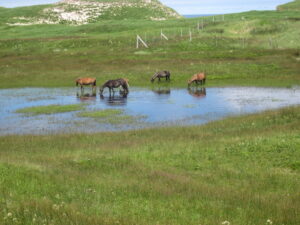
This lesson plan is intended for the use of Grade 7 educators teaching social studies in Nova Scotia. The horses of Sable Island are iconic and known world wide. This lesson explores their likely origins dating back to the Acadian...
This lesson plan is intended for the use of Grade 7 educators teaching social studies in Nova Scotia. The Humane Establishment was created to try to reduce the loss of cargo and lives resulting from the many shipwrecks caused by...